Showing posts with label cbd. Show all posts

Monday, July 1, 2019

Cbd Could Be On The Verge Of Becoming An Antibiotic!

Medical Marijuana Recommendation Online

CBD is on the rise. If you’re a regular cannabis user, you won’t challenge this fact. Why is that though? Most people bank on the medicinal benefits it offers. Rightly so!

Cannabidiol or CBD is the non-psychoactive compound present in cannabis. This means that it offers benefits without producing a characteristic high. This is especially beneficial for people who cannot digest the intoxicating effects of the high. 

Now, an Australian study points to some new revelations. It shows that CBD can potentially be used as an antibiotic. 

The research  

The center of Superbug Solutions at the University of Queensland conducted a research and the results were pathbreaking. It was found that CBD was pretty effective against bacterial strains like strep and staph. Also, it was observed that cannabidiol is also effective in putting a tab on bacterial strains which are resistant to other antibiotics. 

Mark Blaskovich, the head of the research, mentions that “Well, these results are definitely promising but more insight is needed to check if it can be used to fight infections in humans. We still need to know the basic mechanism of CBD in fighting infections”

Blaskovich further mentioned that “We’re still not aware how it works against bacteria which are resistant to other antibiotics. To be fully considered as an antibiotic, it needs to show promising effects in managing systemic tissue infections. 

Another aspect which cannot be missed is that presently, only topical use has been tested. For it to be used as a full-fledged antibiotic, it should be able to treat systemic infections like pneumonia. Present studies on oral dosage for potential use as antibiotics is still limited.

Studies show more uses of CBD

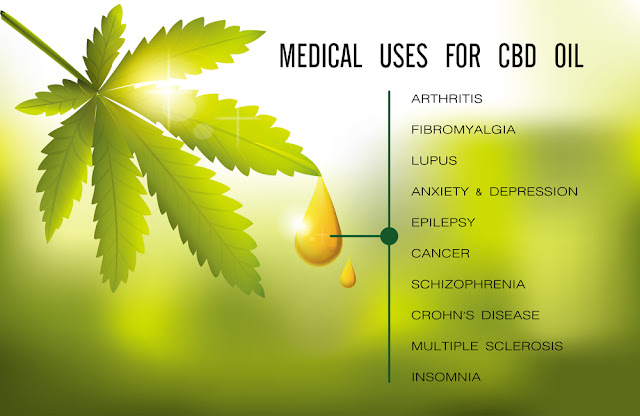
It’s not just the antibiotic potential that is being discussed, there are various studies which point to other aspects of CBD. A study conducted by UC Davis showed that synthetic and herbal CBD were tested with positive effects on rats suffering from seizures. It was able to alleviate the symptoms with great effect. 


 Source


The American Journal of Psychiatry presented a study which showed that Epidiolex, a prescription medication with CBD was effective in reducing the withdrawal symptoms associated with opioid addiction.

If you’re planning to use CBD for your health, you need to get a get a medical marijuana recommendation online. This allows you to access a range of products in the market. These include CBD tincture, oil, vape, and others. 

The Australian Study was showcased at the American Society for Microbiology. Blaskovich mentioned that people need to be patient until a full-fledged research present the complete benefits of CBD as an antibiotic. 

So, the prospect of using CBD as an antibiotic is definitely promising. Constant research is expected to bring more light on the potential benefits. The current stock of benefits is already bringing a positive change in the society. We expect medical cannabis continues to rise and serve in the interests of the people. 

The future of cannabis is definitely bright!

Monday, April 29, 2019

5 Ways To Control Too-intense Cannabis High


There is no doubt that the use of cannabis is on the rise. Every person in the USA where cannabis is legal is interested in using it to get relief. Many studies have shown that cannabis is extremely beneficial to fight the symptoms of many serious medical conditions. These medical conditions range from chronic pain to arthritis and depression to cancer.

And ever since the legalization of cannabis in the United States, it has become easy to get access of this herb. With a valid medicalmarijuana card online, you can simply walk into a dispensary and buy any cannabis strain or even cannabis-infused products.

When cannabis prohibition ended, it allowed many researchers and cannabis enthusiasts to produce cannabis products. It also helped cannabis industry to grow quickly and drastically. Today, there are tons of cannabis-infused products available on the market including vape pens, tinctures, oils, edibles and topicals.

Are you a medical enthusiast? Do you also use cannabis for your medical condition?

If so, you would know that there are times when you consume more than the required amount. And consuming more can mean intense results. In fact, there are plenty of ways it can happen. But regardless how it happened, the results can be extremely uncomfortable and enough to make even the seasoned cannabis-enthusiast hate cannabis.

You wouldn’t want that. After all, cannabis is a herb that can replace your conventional medication and help you fight your condition.

So, it’s important to know how you can control too-intense cannabis high. Here are few ways to deal with it:

  • Don’t panic
Don’t panic. It’s okay, you are fine. Remember nothing’s gonna happen to you.
As a side note, no one has ever died from cannabis overdose. So even if you have consumed a higher dosage of cannabis, you will be fine.
Panicking will only make the effects more worse and extreme. So relax, take a deep breath and sit down. Most symptoms of intense high will automatically disappear within minutes or hours. Yes, sometimes hours! But again, there’s nothing to be worried about. They will disappear automatically and you’ll be fine.

  • Always monitor your dose before consuming
If you can, try to monitor your dose before consuming. Okay, I got it this tip will not help you once you are already too high. But it can help you avoid a situation like this. Moreover, you won’t be reading this blog after you are too high. So it’s better to mention it right here than to skip it altogether.
Moreover, try to consume it with your friends you are comfortable with. This will keep you in control and won’t let cannabis take over your mind. When you are consuming cannabis alone, you might not experience the effects soon. This might encourage you to consume more, resulting in intense effect.

  • Drink lots of water and eat something
Drink, drink, and drink! Not alcohol, water. Drink a lot of water. Keep yourself hydrated. And apart from staying hydrated, eat something. Cannabis has the tendency to naturally trigger the munchies. But when you are extremely high, you might not experience the munchies. However, drinking a lot of water and eating something can help you stay calm and counteract the effects of high. Some people believe that eating a light snack has helped them feel grounded and relaxed.

  • Distract yourself
Thinking about your mental state will worsen the effects of high. Distract yourself. Put on some good music or watch a teleseries or go out for a walk. But don’t just sit on a couch and keep thinking about your situation. You can even take a hot shower and calm your mind.

Finally, make sure you use strains that have low THC content and higher CBD content if you are using to get relief. You can walk into a dispensary and buy any strain if you obtained a medical marijuana card online.


Saturday, April 13, 2019

Things To Know About Cbd Tincture - The Latest Health Trend


By now, everybody is familiar with the medicinal benefits CBD offers. It is certainly all over the place these days. And as much as I know, there isn’t any media channel, newspaper or even magazine that is not covering this topic. CBD’s popularity among people in the United States is increasing quickly. But it’s popularity suddenly escalated when FDA (Food and Drug Administration) approved Epidiolex. An anti-seizure medicine derived from cannabis-sourced CBD.

The attention medical marijuana is garnering is mainly due to its changing legalization status in many states of the US. 33 states out of 50 have managed to conquer the battle against cannabis prohibition while other states are following in their footsteps. And thanks to its legalization, it has become a billion dollar industry in a short span of time.

Ever since cannabis has been legalized in many US states, it’s not uncommon to see plenty of CBD products hitting the market every now and then. From pre-rolled joints to vape pen to edibles, there are dozens of products available on the market.

CBD tincture is one of the latest trends of cannabis industry. It has become the most popular way of consuming CBD by many people in the nation.

Here are some things that you should know about CBD tinctures:

CBD and its use


CBD is an active compound present in cannabis and hemp. As a matter of fact, cannabis has hundreds of different cannabinoids and CBD is one of the most popular cannabinoids. It is well-recognized as a non-psychoactive compound that provides relief without getting you high. This means no matter how much CBD you consume, you won’t make you unconscious. CBD has been used to get relief from pain, inflammation and stress.


So what is a CBD tincture?

A CBD tincture is a concentrated herbal extract that contains high potent cannabidiol. It is available in liquid form and produced by soaking herbs in a liquid. After a few weeks, the liquid gets infused with herbal extracts, and when it is filtered, you get CBD tincture.

Over the past few years, the liquid used to produce CBD tincture has changed. However, the process has remained the same.

How do you take tincture?

Okay, before we answer the question, we recommend getting in touch with a certified therapist or physician and ask her how much you should consume. It’s always a good idea to consult a doctor before taking any kind of cannabis-infused product.

Now let’s jump to the real question - how should you take tincture?
There are basically two ways of consuming CBD tincture - sublingual or externally by rubbing it on the skin.
After taking the liquid in the dropper, you can either put it under your tongue or rub it on the problem area to get relief.

Patients with medical conditions like muscle soreness, joint pain, tendonitis, and arthritis often use the second method. However, people with depression, anxiety, and stress, consume it orally.

Today, you can easily find a taste-bud friendly CBD tincture on the market. And if taste is not a huge factor here, you can always add a drop or two of tincture in your foods, smoothie, drink or even a cup of coffee.

How much you should take?

Well, it’s more complicated than you think. Every person is different and has different requirement. So it basically depends on your condition and preference. Even though there is no harm in consuming higher dosage of CBD tincture, it is still recommended to talk to your doctor. Additionally, try and experiment with it for a week and see how much will help you get the much needed relief. This way you can yourself estimate your requirement.

CBD tincture is indeed a great way of consuming CBD as it also provides quick results. If you are planning to buy CBD tincture, make sure you cannabis card is valid. And if it’s not, apply for a cannabiscard renewal today.


Reach us at

Wednesday, March 6, 2019

What is medical marijuana?

The term medical marijuana refers to using the whole, unprocessed marijuana plant or its basic extracts to treat symptoms of illness and other conditions. The U.S. Food and Drug Administration (FDA) has not recognized or approved the marijuana plant as medicine.


Image Source: @shutterstock.com/g/Atomazul


However, scientific study of the chemicals in marijuana, called cannabinoids, has led to two FDA-approved medications that contain cannabinoid chemicals in pill form. Continued research may lead to more medications.
Because the marijuana plant contains chemicals that may help treat a range of illnesses and symptoms, many people argue that it should be legal for medical purposes. In fact, a growing number of states have legalized marijuana for medical use.

Why isn’t the marijuana plant an FDA-approved medicine?

The FDA requires carefully conducted studies (clinical trials) in hundreds to thousands of human subjects to determine the benefits and risks of a possible medication. So far, researchers haven't conducted enough large-scale clinical trials that show that the benefits of the marijuana plant (as opposed to its cannabinoid ingredients) outweigh its risks in patients it's meant to treat.
Read more about the various physical, mental, and behavioral effects of marijuana in our Marijuana DrugFacts.

Can Medical Marijuana Legalization Decrease Prescription Opioid Problems?

Some studies have suggested that medical marijuana legalization might be associated with decreased prescription opioid use and overdose deaths, but researchers don't have enough evidence yet to confirm this finding. For example, one study found that Medicare Part D prescriptions filled for all opioids decreased in states with medical marijuana laws.1 Another study examined Medicaid prescription data and found that medical marijuana laws and adult-use marijuana laws were associated with lower opioid prescribing rates (5.88 percent and 6.88 percent lower, respectively).2
Additionally, one NIDA-funded study suggested a link between medical marijuana legalization and fewer overdose deaths from prescription opioids.3 These studies, however, are population-based and can’t show that medical marijuana legalization caused the decrease in deaths or that pain patients changed their drug-taking behavior.4,5 A more detailed NIDA-funded analysis showed that legally protected medical marijuana dispensaries, not just medical marijuana laws, were also associated with a decrease in the following:6
  • opioid prescribing
  • self-reports of opioid misuse
  • treatment admissions for opioid addiction
Additionally, some data suggests that medical marijuana treatment may reduce the opioid dose prescribed for pain patients,7,8 while another recent NIH-funded study suggests that cannabis use appears to increase the risk of developing and opioid use disorder.9 NIDA is funding additional studies to determine the link between medical marijuana use and the use or misuse of opioids for specific types of pain, and also its possible role for treatment of opioid use disorder. Read more in our Marijuana Research Report.

What are cannabinoids?

Cannabinoids are chemicals related to delta-9-tetrahydrocannabinol (THC), marijuana’s main mind-altering ingredient that makes people "high." The marijuana plant contains more than 100 cannabinoids. Scientists as well as illegal manufacturers have produced many cannabinoids in the lab. Some of these cannabinoids are extremely powerful and have led to serious health effects when misused. Read more in our Synthetic Cannabinoids (K2/Spice) DrugFacts.
The body also produces its own cannabinoid chemicals. They play a role in regulating pleasure, memory, thinking, concentration, body movement, awareness of time, appetite, pain, and the senses (taste, touch, smell, hearing, and sight).

How might cannabinoids be useful as medicine?

Currently, the two main cannabinoids from the marijuana plant that are of medical interest are THC and CBD. 
THC can increase appetite and reduce nausea. THC may also decrease pain, inflammation (swelling and redness), and muscle control problems.Unlike THC, CBD is a cannabinoid that doesn't make people "high." These drugs aren't popular for recreational use because they aren't intoxicating. It may be useful in reducing pain and inflammation, controlling epileptic seizures, and possibly even treating mental illness and addictions. Many researchers, including those funded by the National Institutes of Health (NIH), are continuing to explore the possible uses of THC, CBD, and other cannabinoids for medical treatment.
For instance, recent animal studies have shown that marijuana extracts may help kill certain cancer cells and reduce the size of others. Evidence from one cell culture study with rodents suggests that purified extracts from whole-plant marijuana can slow the growth of cancer cells from one of the most serious types of brain tumors. Research in mice showed that treatment with purified extracts of THC and CBD, when used with radiation, increased the cancer-killing effects of the radiation.10

                              Image Source: @shutterstock.com/g/AlexRaths
Scientists are also conducting preclinical and clinical trials with marijuana and its extracts to treat symptoms of illness and other conditions, such as:
  • diseases that affect the immune system, including:
    • HIV/AIDS
    • multiple sclerosis (MS), which causes gradual loss of muscle control
  • inflammation
  • pain
  • seizures
  • substance use disorders
  • mental disorders
Read more about the NIH’s marijuana research:

Using Medical Marijuana During and After Pregnancy

Some women report using marijuana to treat severe nausea they have during pregnancy. But there's no research that shows that this practice is safe, and doctors generally don't recommend it. 
Pregnant women shouldn't use medical marijuana without first checking with their health care provider. Animal studies have shown that moderate amounts of THC given to pregnant or nursing women could have long-lasting effects on the child, including abnormal patterns of social interactions11 and learning issues.12,13 Read more in our Substance Use in Women Research Report.

What medications contain cannabinoids?

Two FDA-approved drugs, dronabinol and nabilone, contain THC. They treat nausea caused by chemotherapy and increase appetite in patients with extreme weight loss caused by AIDS. Continued research might lead to more medications. 
The FDA approved a CBD-based liquid medication called Epidiolex® for the treatment of two forms of severe childhood epilepsy, Dravet syndrome and Lennox-Gastaut syndrome
The United Kingdom, Canada, and several European countries have approved nabiximols (Sativex®), a mouth spray containing THC and CBD. It treats muscle control problems caused by MS, but it isn't FDA-approved.

Points to Remember

  • The term medical marijuana refers to treating symptoms of illness and other conditions with the whole, unprocessed marijuana plant or its basic extracts.
  • The FDA has not recognized or approved the marijuana plant as medicine.
  • However, scientific study of the chemicals in marijuana called cannabinoids has led to two FDA-approved medications in pill form, dronabinol and nabilone, used to treat nausea and boost appetite.
  • Cannabinoids are chemicals related to delta-9-tetrahydrocannabinol (THC), marijuana’s main mind-altering ingredient.
  • Currently, the two main cannabinoids from the marijuana plant that are of interest for medical treatment are THC and cannabidiol (CBD).
  • The body also produces its own cannabinoid chemicals.
  • Scientists are conducting preclinical and clinical trials with marijuana and its extracts to treat symptoms of illness and other conditions.

References

  1. Bradford AC, Bradford D, Abraham AJ, Bagwell Adams G. Association Between US State Medical Cannabis Laws and Opioid Prescribing in the Medicare Part D Population. JAMA Intern Med. April 2018. doi:10.1001/jamainternmed.2018.0266
  2. Wen H, Hockenberry J. Association of Medical and Adult-Use Marijuana Laws With Opioid Prescribing for Medicaid Enrollees. JAMA Intern Med.doi:10.1001/jamainternmed.2018.1007
  3. Bachhuber MA, Saloner B, Cunningham CO, Barry CL. Medical cannabis laws and opioid analgesic overdose mortality in the United States, 1999-2010. JAMA Intern Med. 2014;174(10):1668-1673. doi:10.1001/jamainternmed.2014.4005.
  4. Finney JW, Humphreys K, Harris AHS. What ecologic analyses cannot tell us about medical marijuana legalization and opioid pain medication mortality. JAMA Intern Med. 2015;175(4):655-656. doi:10.1001/jamainternmed.2014.8006.
  5. Bachhuber MA, Saloner B, Barry CL. What ecologic analyses cannot tell us about medical marijuana legalization and opioid pain medication mortality--reply. JAMA Intern Med. 2015;175(4):656-657. doi:10.1001/jamainternmed.2014.8027.
  6. Powell D, Pacula RL, Jacobson M. Do Medical Marijuana Laws Reduce Addiction and Deaths Related to Pain Killers?RAND Corporation; 2015. https://www.rand.org/pubs/external_publications/EP67480.html. Accessed April 6, 2017.
  7. Abrams DI, Couey P, Shade SB, Kelly ME, Benowitz NL. Cannabinoid-opioid interaction in chronic pain. Clin Pharmacol Ther. 2011;90(6):844-851. doi:10.1038/clpt.2011.188.
  8. Lynch ME, Clark AJ. Cannabis reduces opioid dose in the treatment of chronic non-cancer pain. J Pain Symptom Manage. 2003;25(6):496-498.
  9. Olfson M, Wall MM, Liu S-M, Blanco C. Cannabis Use and Risk of Prescription Opioid Use Disorder in the United States. Am J Psychiatry. 2017;175(1):47-53. doi:10.1176/appi.ajp.2017.17040413
  10. Scott KA, Dalgleish AG, Liu WM. The combination of cannabidiol and Δ9-tetrahydrocannabinol enhances the anticancer effects of radiation in an orthotopic murine glioma model. Mol Cancer Ther. 2014;13(12):2955-2967. doi:10.1158/1535-7163.MCT-14-0402.
  11. Trezza V, Campolongo P, Cassano T, et al. Effects of perinatal exposure to delta-9-tetrahydrocannabinol on the emotional reactivity of the offspring: a longitudinal behavioral study in Wistar rats. Psychopharmacology (Berl). 2008;198(4):529-537. doi:10.1007/s00213-008-1162-3.
  12. Antonelli T, Tomasini MC, Tattoli M, et al. Prenatal exposure to the CB1 receptor agonist WIN 55,212-2 causes learning disruption associated with impaired cortical NMDA receptor function and emotional reactivity changes in rat offspring. Cereb Cortex N Y N 1991. 2005;15(12):2013-2020. doi:10.1093/cercor/bhi076.
  13. Mereu G, Fà M, Ferraro L, et al. Prenatal exposure to a cannabinoid agonist produces memory deficits linked to dysfunction in hippocampal long-term potentiation and glutamate release. Proc Natl Acad Sci U S A. 2003;100(8):4915-4920. doi:10.1073/pnas.0537849100.